Before modern cooling, indoor environments provided minimal relief during hot days, leaving people dependent on shade, natural airflow, and basic ventilation techniques for comfort. The arrival of comfort air conditioner transformed everyday expectations by delivering steady indoor temperatures across homes, businesses, and public buildings with reliable climate control.
Taylor Energy delivers reliable, energy-efficient air conditioning systems built for lasting performance. This article explores how air conditioning evolved, how it transformed everyday life and society, and how modern systems continue improving comfort, efficiency, and indoor living conditions today overall.
The Origins of Cooling and Modern Air Conditioner Systems

The desire for cooler indoor environments existed long before today’s technology. Early civilizations created practical techniques to reduce heat by using natural resources and thoughtful building designs. These early innovations reflected a lasting commitment to creating more comfortable indoor living conditions.
Ancient Romans directed cool water through walls with aqueduct networks to help reduce indoor heat. Egyptians relied on evaporative cooling by placing damp fabrics where air could pass through and deliver cooler air indoors. Although these approaches offered limited results, they established the early principles behind controlled indoor cooling.
A significant advancement arrived in 1902 when Willis Carrier developed the first modern air conditioning system. Created to control humidity inside a printing plant, the system proved that indoor climates could be accurately managed. Its success soon spread across manufacturing and commercial facilities, launching the widespread use of modern air conditioning technology.
The Lasting Influence of Air Conditioning on Society
As air conditioning became increasingly widespread, its influence reached far beyond personal comfort. Industries, architectural styles, and population growth patterns gradually evolved as climate-controlled indoor spaces became a standard part of everyday life.
Transforming Building Design
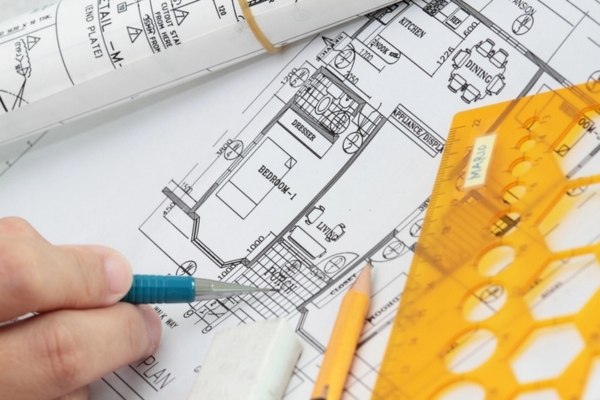
Before mechanical air conditioning, buildings relied on features such as thick walls, high ceilings, and natural cross-ventilation to reduce indoor heat. These design constraints shaped construction methods across regions with different climates.
After mechanical cooling became available, architects had far more design freedom. Expansive glass buildings, taller high-rise structures, and tightly sealed commercial spaces became practical, allowing architectural priorities to emphasize appearance and operational efficiency rather than primarily adapting to local climate conditions.
Driving Economic Development
Air conditioning allowed businesses to maintain productivity in workplaces that had previously become difficult to work in during hot weather. Offices, manufacturing facilities, and retail establishments could function more reliably, even through periods of intense heat. This advancement supported extended business hours and steadier working environments, helping strengthen economic growth throughout warmer climates and regions.
Encouraging Population Growth
Climate-controlled indoor spaces made many previously uncomfortable regions more practical for year-round living. Areas including the American South experienced substantial population growth as air conditioning increased overall livability. This change supported urban development, stronger economic activity, and long-term demographic shifts across these expanding regions.
How Air Conditioner Transformed Everyday Comfort
As air conditioning became increasingly accessible, it reshaped expectations for comfort across homes, transportation, and recreational settings.
Creating Consistent Indoor Environments
Homes shifted from adjusting to changing outdoor temperatures toward maintaining reliable indoor comfort. Better insulation and tightly sealed construction helped cooling systems perform more efficiently, providing steady indoor temperatures despite changing weather conditions. This advancement improved everyday comfort while making indoor living environments more consistent and easier to manage.
Enhancing Comfort During Travel
Air conditioning greatly improved travel experiences, especially throughout warmer climates. Passenger vehicles and public transportation systems became far more comfortable, helping reduce heat exposure during daily commutes and extended trips. This advancement made transportation more convenient while reducing its dependence on changing seasonal weather conditions.
Expanding Indoor Recreation and Entertainment
The ability to regulate indoor temperatures enabled businesses to create venues that could operate comfortably throughout the entire year. Shopping malls, movie theaters, and other indoor attractions became more practical and increasingly popular. These climate-controlled environments delivered dependable comfort, influencing where people gathered, shopped, relaxed, and spent their leisure time.
Modern Advancements in Air Conditioning Technology
Air conditioning has evolved from simple cooling equipment into advanced systems engineered for greater efficiency, accuracy, and flexibility. Modern central air systems provide balanced cooling throughout entire properties, while ductless systems deliver precise temperature control for individual rooms and designated spaces.
Variable-speed technology enhances overall performance by adjusting system output according to real-time cooling demands, reducing energy use and minimizing unnecessary wear on critical components. Smart thermostats also let homeowners control temperatures remotely, create schedules, and improve system efficiency based on daily usage habits.
Taylor Energy incorporates these innovations into its air conditioning services, helping homeowners improve energy efficiency, maintain dependable indoor comfort, and enjoy reliable long-term system performance through modern cooling solutions.
The Future of Cooling Systems
Air conditioning technology continues advancing toward smarter, more efficient, and highly responsive operation. Modern systems are increasingly designed to connect with smart home platforms, allowing automatic adjustments based on occupancy, homeowner preferences, and changing environmental conditions.
Zoned cooling continues gaining popularity by allowing separate areas of a property to maintain independent temperatures, helping minimize unnecessary energy consumption. New equipment is also engineered to meet stricter efficiency requirements, thereby supporting lower operating expenses and reducing overall environmental impact.
Taylor Energy stays current with these advancements by providing systems that feature modern controls, efficient performance, and practical solutions built to meet today’s cooling needs while preparing homes for future comfort demands.
FAQs: Comfort Air Conditioner

What Was the Original Purpose of Early Air Conditioning Systems?
The earliest air conditioning systems were developed to regulate humidity in industrial facilities, particularly printing plants and manufacturing operations where excess moisture affected production quality and materials. Maintaining stable humidity improved consistency, while the cooling effect was an added advantage that eventually became the primary function of modern air conditioning systems.
How Has Air Conditioner Improved Workplace Environments?
Air conditioning created more comfortable indoor workplaces by minimizing excessive heat that often leads to fatigue and reduced focus. These improvements supported longer operating hours, increased employee comfort, and more reliable productivity for businesses and industries located in warmer climates.
How Did Air Conditioning Contribute to the Growth of Retail Centers?
Climate-controlled indoor spaces made shopping more enjoyable regardless of outdoor temperatures, encouraging visitors to remain indoors longer. This improvement supported the expansion of enclosed shopping malls and large retail centers, allowing businesses to operate reliably throughout the year without seasonal weather disruptions.
How Do Cooling Systems Protect Equipment?
Many types of equipment, including computers and industrial machines, generate heat during operation. Without adequate cooling, excessive heat can lower efficiency, accelerate component wear, and cause equipment failures. Air conditioning maintains stable operating temperatures, supporting dependable performance while helping extend the lifespan of valuable equipment.
What Factors Matter When Choosing a New Air Conditioner?
Selecting the right air conditioner involves more than simply choosing the correct size. Energy efficiency ratings, property layout, insulation quality, and long-term operating expenses all influence the decision. A properly sized and matched system improves performance, reduces wasted energy, and helps prevent premature wear and frequent repairs.
Conclusion
Air conditioning has transformed the way people live, work, and experience indoor environments by creating more comfortable and predictable spaces. Its impact reaches across architecture, economic development, everyday convenience, and long-term population growth. Ongoing technological advancements have strengthened efficiency, control, and reliability, making today’s cooling systems more capable than ever.
If your existing system is aging or no longer performing efficiently, contact Taylor Energy to learn about air conditioning solutions that enhance comfort, improve energy efficiency, and deliver dependable long-term system performance.
Contact Taylor Energy for Trusted Heating and Cooling Services
Homeowners and businesses count on Taylor Energy for dependable HVAC services throughout Northern Connecticut that deliver reliable indoor comfort in every season. Our experienced, certified technicians provide maintenance, repairs, installations, replacements, and system upgrades with a strong emphasis on quality workmanship and dependable long-term performance.
We offer efficient, budget-friendly HVAC solutions that help improve comfort while lowering energy consumption. Whether you need routine maintenance, a complete system replacement, or a performance upgrade, our team will recommend the right solution for your home, needs, and budget. Every service is completed with careful attention to detail and is backed by our commitment to customer satisfaction.
Contact Taylor Energy today to schedule your in-home estimate or arrange your next heating and cooling service. Call now!
You can click here to contact us now or call us at (860) 623-3308 to find out more! Click the link to view our service area.

Related Articles: