
Picture moving from an unbearably warm room into another that feels noticeably colder inside the same home. These significant temperature differences, commonly known as hot and cold spots in house, can reduce comfort and disturb the consistent atmosphere throughout your entire living environment.
This article explores air balancing, an effective way to create more uniform indoor temperatures. We’ll also cover five practical strategies to help eliminate frustrating hot and cold spots, maintaining steady comfort and more consistent conditions throughout every area of your home.
What Leads to Hot and Cold Spots in Your Home?
Several common issues can contribute to inconsistent temperatures throughout a home, including:
- Incorrect HVAC System Sizing: Heating and cooling equipment that is undersized or oversized for your home can create noticeable temperature differences by struggling to operate effectively.
- Damaged or Obstructed Ductwork: Leaks, blockages, or other problems within air ducts can interfere with airflow and prevent conditioned air from reaching rooms evenly.
- Drafty Windows and Doors: Poorly sealed windows or doors allow heated or cooled air to escape while outdoor air enters, making it difficult to maintain consistent indoor temperatures.
- Blocked Vents and Registers: Furniture or household objects positioned over vents can limit airflow into specific rooms, resulting in uneven heating or cooling.
The Importance of Proper Air Balancing
Air balancing fine-tunes your HVAC system to circulate conditioned air evenly throughout your home. This essential process minimizes temperature differences while improving indoor comfort and overall system performance.
Balanced airflow helps every room receive sufficient heated or cooled air, promoting consistent temperatures, easing HVAC workload, and potentially reducing household energy expenses.
Hot and Cold Spots in House: 5 Practical Solutions for Consistent Comfort
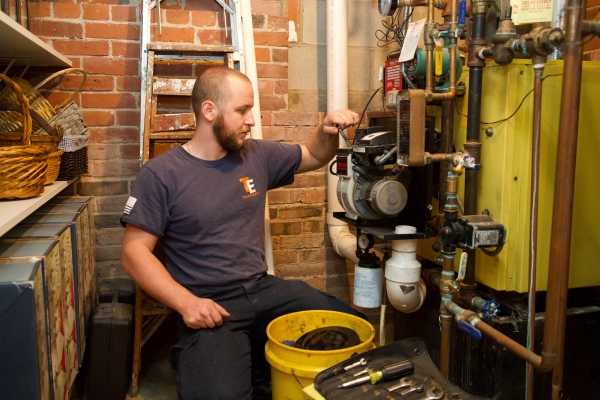
With a clear understanding of how uneven airflow impacts comfort and HVAC efficiency, you can begin considering effective solutions. The following approaches can help resolve inconsistent heating and cooling, providing more balanced temperatures throughout your entire home.
Strategy #1: Schedule Routine HVAC Maintenance
Consistent HVAC maintenance plays an important role in reducing hot and cold spots throughout your home. Seasonal service should involve cleaning or changing filters to support proper airflow and checking ductwork for leaks or blockages that may interfere with air circulation.
These maintenance steps promote more uniform indoor temperatures while improving your HVAC system’s overall energy efficiency. Proper maintenance helps equipment perform reliably, delivering comfortable, consistent heating and cooling throughout the home.
Strategy #2: Improve Airflow Through Vents and Registers
Managing HVAC vents and registers is an easy way to create more balanced temperatures across your home. Adjusting vent dampers can direct airflow toward rooms that feel too warm or too cool, while moving furniture and other large items away from vents helps conditioned air circulate freely.
These practical changes support HVAC performance, encourage more balanced air distribution, and help provide steady comfort throughout your home.
Strategy #3: Consider an HVAC Zoning System
An HVAC zoning system enhances comfort by separating your home into individual temperature-controlled areas, with each zone regulated by a dedicated thermostat. Dampers installed within the ductwork control airflow as needed, letting you heat or cool occupied spaces for better comfort and increased energy efficiency.
Well-Suited for Multi-Level Homes
Zoning works particularly well in multi-level homes, where upstairs and downstairs areas frequently develop different temperatures. Separate temperature control for each level or zone helps create more uniform comfort while supporting efficient heating and cooling performance.
Ductless Mini-Splits for Targeted Comfort in Northern Connecticut
Ductless mini-split systems provide a practical zoning option for homes without existing ductwork or spaces where ducts are challenging to install. Each indoor unit operates as a separate zone, making mini-splits suitable for additions, finished attics, basements, and other areas prone to persistent hot or cold spots while providing focused, energy-efficient comfort.
Strategy #4: Improve Ductwork Sealing and Insulation
Properly sealing and insulating ductwork helps limit energy loss while promoting more uniform temperatures throughout your home. Cracks, loose connections, and inadequate insulation can let conditioned air escape, resulting in inconsistent comfort and increased heating or cooling expenses.
Minor accessible duct leaks may be sealed using mastic sealant or metal-backed tape, with insulation added where appropriate. An HVAC professional should complete larger repairs or upgrades. Well-sealed and insulated ducts enhance HVAC performance, reduce energy expenses, and support more balanced comfort throughout the home.
Strategy #5: Install Smart HVAC Thermostats
Smart thermostats provide advanced controls that enhance indoor temperature management and energy efficiency. These devices support programmable schedules and remote adjustments through mobile apps, giving homeowners greater control from anywhere. Many models also adapt to daily routines, automatically refining heating and cooling settings for comfort and energy savings.
When integrated with zoning systems, smart thermostats can regulate temperatures across individual zones more precisely, improving air distribution and reducing unnecessary energy use throughout the home. This coordination supports consistent indoor comfort while helping your HVAC system operate more efficiently.
Additional Ways to Minimize Hot and Cold Spots
To improve household comfort further and reduce recurring hot and cold spots, consider these additional approaches:
- Operate Ceiling Fans Effectively: Ceiling fans improve air movement within rooms, supporting more balanced temperature distribution when operating alongside your home’s heating or cooling equipment.
- Improve Insulation Where Needed: Installing or upgrading insulation in walls, attics, and around ductwork can reduce unwanted heat transfer and help maintain steadier indoor temperatures.
- Inspect Window and Door Seals: Periodically examine and replace deteriorated seals around doors and windows to limit drafts and energy loss that may cause uneven heating and cooling.
Hot and Cold Spots in House: FAQs

How Can You Tell if Your Home Has Poor Air Balance?
Poor air balance can appear through several warning signs. Some rooms may feel noticeably warmer or colder than others, certain vents may produce weak or minimal airflow, and your HVAC system may struggle to reach the thermostat setting. These problems can increase energy costs and accelerate system wear as your equipment works harder to maintain consistent temperatures.
Does Closing Vents in Unoccupied Rooms Improve Temperature Balance?
Closing vents in unused rooms can create more problems than benefits. It may cause pressure imbalances within your ductwork, increasing leakage risks and lowering overall system efficiency. Instead, consider an HVAC zoning system or consult a professional to identify and correct the underlying airflow issues without placing unnecessary strain on your equipment.
Does Air Balancing Require Ongoing Adjustments?
Air balancing can provide lasting improvements, but changes in your home, including furniture rearrangements, remodeling projects, or normal HVAC system wear, may require occasional adjustments. Regular HVAC maintenance also helps preserve balanced airflow by keeping your equipment and ductwork clean, clear, and operating properly.
Can an Older HVAC System Contribute to Hot and Cold Spots?
Aging HVAC systems may lack the performance and technology needed to maintain consistent heating or cooling throughout your home. As ductwork, blower assemblies, and motors deteriorate over time, airflow can become uneven. Replacing outdated equipment with an efficient modern system or repairing worn components can significantly improve comfort and correct persistent temperature differences.
Can Portable Heaters or Fans Fix Hot and Cold Spots?
Portable heaters and fans may provide short-term comfort, but they are not an effective long-term solution. These devices can conceal underlying problems instead of correcting issues such as leaking ducts, inadequate insulation, or improper HVAC sizing. Professional air balancing and system adjustments provide a more reliable approach to maintaining consistent comfort without supplemental equipment.
Conclusion
Eliminating hot and cold spots starts with identifying their underlying causes and using effective solutions such as air balancing, routine HVAC maintenance, and modern temperature-control technologies. These steps help every room maintain more consistent temperatures, improving comfort and your overall indoor environment.
Ready for more balanced comfort throughout your home? Contact Taylor Energy for professional HVAC service in Northern Connecticut today and put uneven temperatures behind you. Enjoy greater comfort and efficiency with experienced HVAC support.
Contact Taylor Energy for Dependable HVAC Services
At Taylor Energy, we deliver professional heating and cooling services throughout Northern Connecticut. Our certified HVAC technicians specialize in system tune-ups, repairs, installations, replacements, and other comfort solutions. With extensive training and hands-on experience, our team provides precise service designed to keep your HVAC equipment performing reliably.
We are committed to providing competitively priced heating and cooling services across Northern Connecticut. Our maintenance solutions help improve indoor comfort and strengthen energy efficiency, which can reduce ongoing heating and cooling costs. Whether your system requires repairs or a complete replacement, Taylor Energy will recommend practical options suited to your needs and budget. Our work is supported by a strong satisfaction guarantee.
Call Taylor Energy today to schedule your HVAC service appointment and request an in-home consultation. Get started now!
You can click here to contact us now or call us at (860) 623-3308 to find out more! Click the link to view our service area.

Related Articles: