
As warmer weather arrives and winter recedes, many homeowners start noticing plumbing leaks in spring that were unnoticed only weeks earlier. Some emerge quickly, while others progress slowly as previously hidden damage is revealed. At Taylor Energy, we help homeowners in Northern Connecticut locate and repair issues caused by winter stress and hidden wear.
This article outlines why spring plumbing leaks often develop and how frozen pipes, temperature changes, and internal deterioration can weaken plumbing systems as temperatures rise.
Avoid Water Damage and Expensive Repairs: Contact Taylor Energy for professional plumbing inspections and leak detection. Call today.
How Winter Damage Contributes to Plumbing Leaks
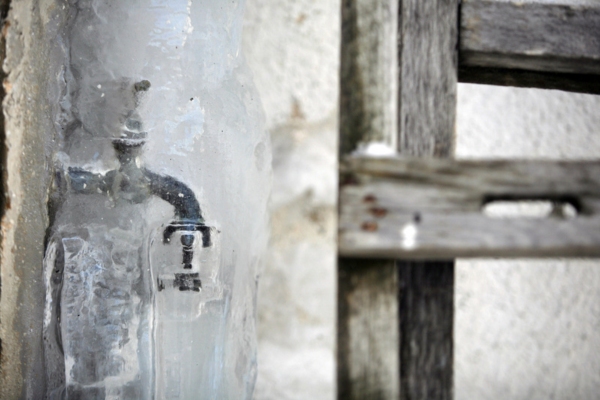
Cold weather creates ongoing stress within plumbing systems, impacting pipe strength across both exposed and hidden areas. As temperatures change in early spring, standard water movement and pressure begin to reveal these compromised spots, making existing damage increasingly noticeable.
Improve Plumbing Performance and Dependability: Rely on Taylor Energy for professional leak repairs and lasting solutions. Schedule your service today.
How Freezing Temperatures Cause Hidden Plumbing Damage in Northern Connecticut
When water freezes inside pipes, it expands and raises internal pressure, which can lead to minor cracks or weakened pipe walls, even if a full rupture does not occur. Ongoing freeze-thaw cycles increase this strain by repeatedly forcing pipes to expand and contract. Over time, this repeated movement stresses joints, fittings, and pipe materials, gradually compromising overall structural strength.
In many situations, this damage goes unnoticed during winter. Minor cracks or weakened areas may not leak right away while water flow is reduced or blocked by ice. As temperatures rise and normal pressure returns, these vulnerable sections begin to break down, allowing leaks to develop where hidden damage was already present.
Why Plumbing Leaks in Northern Connecticut Become Noticeable in Spring

As temperatures stabilize, plumbing systems return to normal operation. This transition increases water flow, restores normal pressure, and reveals structural weaknesses that formed during winter but stayed concealed under frozen or reduced-flow conditions.
Melting Ice Exposes Underlying Pipe Damage
As ice within pipes thaws, water flow resumes throughout the system. Any cracks, fractures, or weakened areas created by freezing pressure are then exposed to moving water, allowing leaks to develop through compromised sections. In many instances, pipes remain intact while frozen but begin to fail once liquid water starts circulating again.
Detect Hidden Leaks Before They Spread: Have Taylor Energy complete a detailed plumbing inspection before damage increases. Call today.
Higher Seasonal Water Demand
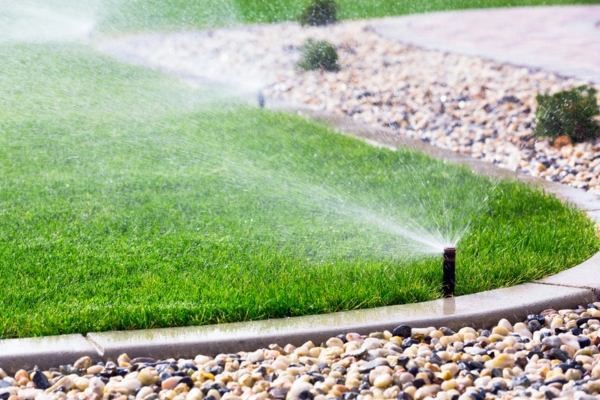
Warmer weather increases water use from lawn watering, outdoor cleaning, and higher daily household demand. This added volume and longer usage periods place extra strain on plumbing systems, making it more likely for weakened pipes and connections to fail under continued pressure.
Soil Movement and Ground Shifts
As frost recedes, the ground expands, contracts, and settles. These changes can displace underground piping or create uneven stress along the system. Even minor shifts can place pressure on joints and fittings, leading to cracks or separations that result in subsurface leaks.
Prevent Spring Plumbing Problems Before They Escalate: Choose Taylor Energy for prompt, reliable repair services. Contact us today.
Elevated Pressure in Fully Active Systems
As regular daily use resumes, plumbing systems remain at normal pressure for extended periods. This sustained pressure can expand existing microfractures or stress-weakened pipe walls, causing minor winter damage to develop into steady, visible leaks.
Typical Locations Where Spring Plumbing Leaks Appear
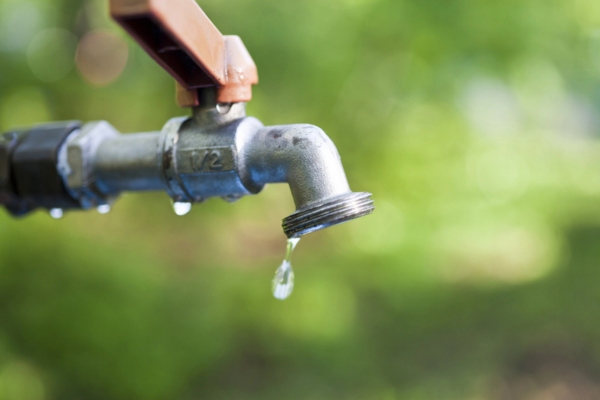
Leaks in spring are often found in parts of the plumbing system that endured the greatest strain during winter. Pipes in unheated areas, such as crawl spaces, attics, exterior walls, and basements, are particularly susceptible to freezing and often become leak sources as temperatures rise.
Exterior plumbing components, including hose bibs, irrigation lines, and outdoor faucets, are also prone to issues, as they may be damaged during winter and start leaking when used again.
Pipe joints and connection points are common failure areas because they experience repeated expansion and contraction, which gradually weakens seals and fittings. Underground water lines are also vulnerable, as shifting soil and frost heave can misalign or crack buried pipes, resulting in leaks that often stay hidden until signs like pressure loss or pooling water become noticeable.
Support Reliable and Efficient Plumbing Operation: Schedule a professional inspection with Taylor Energy today. Call now.
Ways to Reduce the Risk of Spring Plumbing Leaks in Northern Connecticut

Taking preventive action after winter allows hidden issues to be identified early and lowers the chance of leaks forming as system demand increases.
- Inspect Plumbing After Winter: Complete a detailed visual check of exposed pipes, fixtures, and outdoor connections. Watch for cracks, corrosion, moisture accumulation, or residue that may point to slow leaks or weakened materials.
- Monitor Pressure Changes: Observe water pressure throughout the home. Sudden drops, uneven flow, or sputtering fixtures may indicate hidden leaks, obstructions, or damaged sections within the system.
- Repair Minor Issues Promptly: Fix small cracks, loose fittings, or deteriorated seals as soon as they are found. Early repairs help prevent minor damage from worsening under normal pressure and increased spring usage.
- Arrange a Professional Plumbing Inspection: A licensed plumber can conduct a comprehensive system evaluation, including pressure testing and leak detection. This ensures concealed damage is identified and confirms the system remains structurally sound.
Prevent Unexpected Plumbing Breakdowns: Depend on Taylor Energy for accurate diagnostics and prompt repairs. Contact today.
Water Leak Repair in Northern Connecticut: Steps to Take
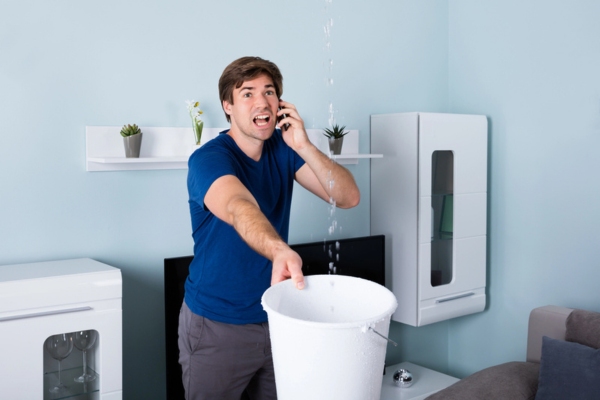
Responding quickly and carefully helps reduce damage and ensures the plumbing system is properly restored before the issue worsens.
- Shut Off the Water Supply When Needed: If the leak is severe or spreading, turn off the main water supply to limit further damage and reduce strain on affected pipes.
- Track Changes in the Leak: Watch whether the leak increases, decreases, or stays consistent. Variations in flow can indicate the extent of damage and help determine the urgency of repairs.
- Do Not Rely on Temporary Repairs for Major Problems: Quick fixes may fail under regular pressure or changing conditions. Depending on them can allow hidden damage to worsen behind walls or below ground.
- Call a Licensed Plumber Without Delay: A professional can identify the root cause, assess the extent of damage, and complete lasting repairs that restore system function and prevent recurring issues.
Keep Your Plumbing System Running Efficiently: Schedule your spring plumbing service with Taylor Energy now. Call today.
FAQs: Spring Plumbing Leaks

How Do Freezing Temperatures Impact Various Pipe Materials?
Various plumbing materials react differently when exposed to freezing conditions. Copper piping is rigid and more likely to crack under the pressure created by expanding ice. At the same time, PVC and PEX offer more flexibility but can still become compromised at joints and connections. Older galvanized steel pipes are at higher risk due to pre-existing corrosion, which worsens with repeated freeze-thaw cycles. Knowing the materials used in your plumbing system helps determine its vulnerability to delayed leaks that appear in spring.
Can Mineral Content or Water Quality Increase the Risk of Spring Leaks?
Yes. Water with elevated mineral levels can lead to scale buildup inside pipes over time. This accumulation reduces the internal diameter and creates inconsistent pressure throughout the system. During winter, these restricted sections face greater stress as water freezes and expands. When temperatures rise, areas affected by scale are more prone to cracking or leaking once normal water flow resumes.
Do Minor Seasonal Leaks Always Mean Major Pipe Failure?
Not always, but they should still be addressed promptly. Small leaks can stem from localized stress or worn seals rather than complete pipe failure. However, they often point to underlying weaknesses within the system. If left uncorrected, these issues can worsen under continued water pressure, leading to more significant damage as demand increases in spring.
Keep Small Leaks From Turning Into Larger Issues: Contact Taylor Energy for reliable plumbing solutions you can trust. Call now.
How Do Plumbing System Age and Maintenance History Affect Spring Leaks?
Aging plumbing systems are more susceptible to spring leaks due to material deterioration, joint fatigue, and accumulated wear over time. Systems that lack routine inspections or maintenance often contain hidden weaknesses that go unnoticed. Regular preventive service, including inspections and timely repairs, plays a key role in minimizing the risk of seasonal leaks developing.
How Do Pressure Regulators and Valves Help Prevent Plumbing Leaks?
Pressure regulators and control valves play a key role in maintaining stable water pressure throughout the system. When these components fail or are not properly adjusted, pressure fluctuations can occur, particularly as usage increases from winter to spring. Elevated pressure places added stress on weakened pipes, raising the risk of leaks. Regular inspection and proper calibration of these components help maintain consistent performance and minimize pressure-related failures.
Conclusion
Plumbing leaks commonly become apparent in spring as a result of hidden damage from winter freezing, ongoing temperature fluctuations, and soil movement that gradually weakens pipes and connections. When temperatures increase and regular water flow returns, these stressed areas begin to break down, causing leaks to surface throughout the system.
If you see signs of a plumbing leak this spring, contact Taylor Energy today. Our team delivers professional inspections and reliable repairs across Northern Connecticut to safeguard your home and restore plumbing performance.
Reliable Plumbing Support When It Matters Most: Contact Taylor Energy for prompt inspections and repairs. Schedule today.
Contact Taylor Energy for Dependable Plumbing Services
Homeowners across Northern Connecticut trust Taylor Energy for reliable plumbing services that support safe and efficient system operation. Our team offers a full range of solutions, including drain cleaning, leak detection, fixture repairs, water heater maintenance, sump pump service, and comprehensive system inspections.
All services are completed by licensed professionals who emphasize precise diagnostics, long-lasting repairs, and consistent system performance. Whether you are handling an immediate concern or scheduling routine upkeep, Taylor Energy provides solutions designed to meet your home’s specific requirements.
Contact Taylor Energy today to schedule professional plumbing services and keep your system operating efficiently year-round.
You can click here to contact us now or call us at (860) 623-3308 to find out more! Click the link to view our service area.

Related Articles: