
Protecting your home’s pipes from freezing requires proper insulation, steady indoor heating, closing gaps that allow cold drafts, and keeping faucets trickling when temperatures drop significantly. Taking these preventive measures helps safeguard your plumbing against extreme cold while minimizing the risk of ruptured pipes, expensive water damage, and emergency plumbing repairs.
This article examines the risks associated with frozen pipes, common warning signs, and practical prevention methods to help homeowners avoid costly plumbing problems throughout winter.
Understanding the Risks of Frozen Pipes During Winter
When water freezes inside plumbing lines, pipes may split or rupture, causing extensive property damage. Identifying potential problems promptly can prevent minor plumbing concerns from escalating into expensive emergencies.
How Frozen Pipes Can Damage Your Home
Frozen plumbing can create serious household problems that extend beyond temporary inconvenience. A ruptured pipe may release substantial amounts of water into walls, flooring, and ceilings, requiring costly structural repairs and water damage restoration.
Frozen water lines can also interrupt essential household activities, including cooking, showering, and heating. Plumbing located in poorly heated attics, basements, garages, and exterior walls faces greater exposure to freezing conditions. These vulnerable locations require extra attention and protection throughout the colder months.
Signs That Your Pipes Are Starting to Freeze
Identifying freezing pipes promptly can help avoid expensive plumbing failures and property damage. Look for these common indicators throughout your home:
- Ice Formation on Pipes: Frost or ice on exposed plumbing suggests the water in the pipes may be starting to freeze.
- Reduced or Interrupted Water Flow: A sudden drop in water pressure or complete loss of flow may indicate ice obstructing the pipe.
- Unpleasant Odors: Unexpected smells coming from faucets or drains may suggest a blockage forcing trapped air or sewer gases into living spaces.
- Abnormal Plumbing Sounds: Gurgling, knocking, or rattling noises when opening a faucet could indicate restricted water movement caused by ice buildup.
Proven Strategies to Protect Pipes From Freezing
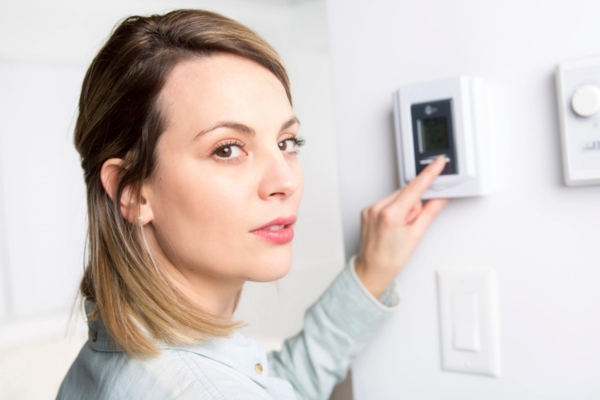
Avoiding frozen pipes requires preparation and regular preventive measures. Homeowners can complete several precautions independently, while professional assistance helps identify and address potential vulnerabilities. These practical strategies can protect your plumbing during periods of extreme cold.
Maintain Consistent Indoor Heating
Keep your thermostat set to at least 55°F throughout winter, including when your home is unoccupied. Large indoor temperature swings increase the risk of frozen pipes. An experienced HVAC technician can evaluate your heating equipment to confirm reliable, efficient performance during colder weather.
Protect Exposed Plumbing With Insulation
Water lines running through attics, crawlspaces, basements, and exterior walls require additional insulation. Installing foam pipe sleeves or approved heating cables helps prevent freezing. For thorough protection, a licensed plumber can assess your plumbing system and locate concealed or difficult-to-access pipes that homeowners might otherwise miss.
Close Gaps That Allow Cold Air Inside
Drafts entering through openings around windows, walls, and floors can lower temperatures around nearby plumbing, increasing the likelihood of freezing. Applying caulk or suitable insulation helps block cold airflow. Professional assessments can uncover overlooked areas requiring attention, particularly in aging properties.
Keep Faucets Trickling During Freezing Weather
Letting a small amount of water run from faucets during severe cold can help reduce pressure buildup inside pipes. This precaution may lower the likelihood of bursting if water freezes. However, it should complement a professional plumbing assessment rather than serve as the only protective measure.
Leave Sink Cabinet Doors Open
Keeping kitchen and bathroom cabinets open helps heated indoor air reach plumbing beneath sinks. This precaution is particularly useful when water lines run along exterior walls. Plumbing professionals frequently suggest this additional measure alongside proper pipe insulation to improve protection against freezing temperatures.
Prepare and Drain Exterior Water Lines
Disconnect garden hoses and shut off outdoor faucets before freezing temperatures arrive. Drain sprinkler systems to prevent damage to concealed underground lines. A licensed plumber can also install frost-proof hose bibs for additional protection against freezing.
Arrange a Professional Plumbing Inspection
Although preventive measures help, professional plumbing inspections provide more comprehensive protection. Licensed plumbers can uncover hidden vulnerabilities, identify early pipe damage, and recommend effective solutions to prevent freezing. Routine evaluations and maintenance help maintain plumbing efficiency, reduce winter-related risks, and provide lasting peace of mind throughout the colder months.
Steps to Take When Your Pipes Freeze
Despite preventive efforts, extreme winter temperatures can still cause pipes to freeze. Taking immediate action helps reduce the risk of ruptures and costly water damage. Follow these steps when you notice signs of frozen plumbing:
- Turn Off the Main Water Supply: If a pipe ruptures, immediately close the main shut-off valve to limit flooding. Locate this valve in advance so you can respond quickly during emergencies.
- Identify the Frozen Area: Examine accessible pipes for ice buildup, swelling, or unusually cold sections. Frozen pipes concealed behind walls may require professional detection to pinpoint the blockage.
- Apply Heat Carefully: Gently warm affected pipes using a hair dryer, heating pad, or towels soaked in warm water. Avoid open flames, which can damage plumbing and pose serious fire risks.
- Inspect for Leaks After Thawing: Gradually restore the water supply and check for moisture, dripping, or water stains. Small fractures can eventually lead to extensive property damage.
- Contact a Licensed Plumber: Seek professional assistance if the frozen section is inaccessible, thawing is unsuccessful, or leaks appear. Experienced plumbers can complete necessary repairs safely and help prevent additional plumbing problems.
Frequently Asked Questions About Frozen Pipes
What Causes Certain Pipes to Freeze More Quickly?
Pipes near exterior walls or in unheated basements, crawlspaces, and attics freeze faster due to greater cold exposure. Pipe material also matters, as metal conducts cold more readily than plastic. Narrow pipes are particularly susceptible because their smaller water volume offers less resistance to freezing.
Can Smart Home Devices Help Detect Freezing Pipes?
Yes. Smart leak detectors and temperature sensors monitor plumbing conditions and send alerts to your smartphone. Some systems can detect unusually low pipe temperatures or changes in water flow, allowing early intervention. Advanced models feature automatic shut-off valves that help prevent extensive flooding and water damage.
Are Outdoor Faucets More Vulnerable to Freezing?
Yes. Outdoor faucets and hose bibs face direct exposure to freezing temperatures, often without adequate insulation. Water left inside can freeze and damage pipes behind exterior walls. Draining and shutting off outdoor water lines, installing frost-proof faucets, or adding insulated covers helps prevent damage.
Which Household Areas Are Commonly Overlooked?
Homeowners frequently overlook concealed plumbing, including pipes inside exterior walls, beneath kitchen and bathroom sinks, in garages, and near outdoor faucets. These vulnerable locations require proper insulation or regular monitoring to reduce freezing risks during winter.
How Do I Know If a Frozen Pipe Has Cracked?
Frozen pipes may appear undamaged until the ice melts and water begins leaking. Warning signs include unexpected dripping, water stains on walls or ceilings, and reduced water pressure. Gradually restoring the water supply after thawing helps identify concealed leaks before extensive flooding occurs.
Conclusion
Frozen pipes can cause expensive plumbing repairs, extensive water damage, and significant household disruptions. However, preventive measures can greatly reduce these risks. Maintaining consistent indoor heating, insulating exposed plumbing, blocking cold drafts, and arranging professional plumbing inspections help safeguard your water lines throughout winter.
Taking precautions before freezing temperatures arrive is more effective than dealing with emergency repairs. With professional assistance from Taylor Energy, homeowners throughout Northern Connecticut can protect their plumbing systems, minimize winter-related damage, and enjoy greater peace of mind during the colder months.
Contact Taylor Energy for Reliable Plumbing Services in Northern Connecticut
When plumbing issues occur in Northern Connecticut, Taylor Energy provides responsive, professional solutions you can depend on. Our experienced team offers comprehensive plumbing services, including toilet repairs, sump pump installations, drain cleaning, water heater replacements, leak detection, and additional plumbing solutions. We customize our services to your home’s needs and budget, with same-day emergency assistance available to address urgent problems promptly and affordably.
Taylor Energy has earned the trust of homeowners throughout Northern Connecticut through dependable service and quality workmanship. Our licensed and certified plumbers focus on accurate repairs, lasting solutions, and customer satisfaction with every project. Schedule a consultation today and discover why local homeowners rely on Taylor Energy for their plumbing needs.
Experiencing plumbing trouble? Contact Taylor Energy today and let our knowledgeable professionals restore your home’s comfort, safety, and plumbing reliability.
You can click here to contact us now or call us at (860) 623-3308 to find out more! Click the link to view our service area.

Related Articles: