
Is your water heater ready for the increased demand that colder weather brings? Preparing your water heater for winter starts with checking whether it provides consistent hot water, recovers quickly, and operates without leaks or unusual noises.
Cold temperatures can place additional strain on the system, so identifying potential problems early can help prevent performance issues when hot water demand rises.
This article explains how colder weather affects water heater performance, common warning signs to watch for, and practical steps to keep your water heater operating reliably throughout winter.
How Cold Weather Increases Water Heater Demand
As outdoor temperatures fall, your water heater must work harder to maintain a reliable hot water supply. Incoming water is generally colder during fall and winter, requiring the system to use more energy and operate longer to reach the desired temperature. Household demand may also increase, with more frequent use of hot water for showers, baths, laundry, and dishwashing. These conditions can expose performance problems that were easier to overlook during warmer weather.
Winter can also increase heat loss. Water heaters and exposed plumbing located in garages, basements, utility rooms, or other chilly areas may lose heat faster. Aging systems may struggle to keep up, especially when sediment buildup, worn parts, or delayed maintenance has already reduced efficiency.
Warning Signs Your Water Heater May Struggle This Winter in Northern Connecticut

Changes in hot water performance may signal that your system is not prepared for heavier winter demand. Pay attention to these common signs:
- Hot Water Runs Out Faster: A reduced hot water supply may result from sediment accumulation, faulty heating components, or declining system capacity.
- Water Heats More Slowly: Extended recovery times may indicate that the system is having difficulty efficiently heating colder incoming water.
- Unusual Tank Noises: Rumbling, popping, or banging sounds can develop when sediment settles at the bottom of a tank-style water heater and disrupts normal heating.
- Water Temperature Fluctuates: Sudden changes from hot to lukewarm water may indicate an issue with the thermostat, heating element, burner, or another component.
- Leaks or Signs of Corrosion: Water around the unit, rusted connections, or visible tank corrosion may indicate deterioration or a developing leak that requires prompt professional service.
How to Get Your Water Heater Ready for Winter in Connecticut
A few preventive measures can help your water heater manage heavier winter demand while lowering the chance of unexpected performance issues.
- Arrange Professional Water Heater Maintenance: Schedule an inspection with a qualified professional before temperatures fall. Routine maintenance can uncover leaks, component wear, sediment accumulation, and other issues before they lead to a breakdown.
- Manage Sediment Accumulation: Mineral deposits inside the tank can reduce usable capacity and affect efficiency. A professional can assess the buildup and determine whether flushing or another maintenance service is necessary.
- Verify the Temperature Setting: An appropriate thermostat setting helps maintain dependable hot water, safe operation, and efficient energy consumption. A professional can confirm that your water heater is set correctly.
- Insulate Exposed Hot Water Lines: Adding insulation to pipes in colder spaces can limit heat loss and help water stay warmer as it moves from the water heater to your fixtures.
- Resolve Existing Issues Before Winter: Slow recovery, temperature fluctuations, unusual sounds, and leaks can signal developing problems. Addressing these concerns early reduces the likelihood of losing hot water as winter demand increases.
When It May Be Time to Replace Your Water Heater in Your Northern Connecticut Home
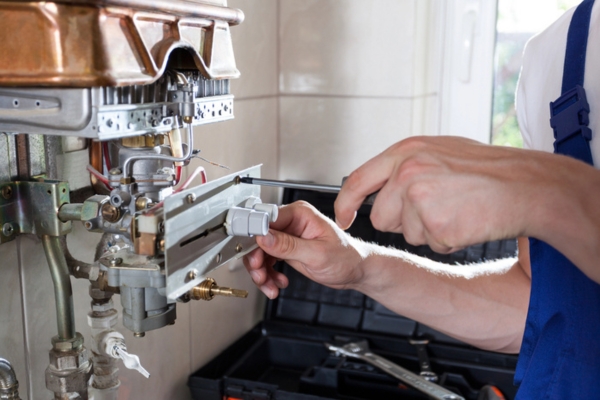
Replacing your water heater may make sense when the unit approaches the end of its expected lifespan. Aging systems can become increasingly vulnerable to corrosion, declining efficiency, and component failures. Consider the unit’s age, condition, and repair history. If service calls become frequent or repair costs continue to increase, replacement may offer greater long-term value than repeatedly fixing an aging system.
Changes in household hot water demand can also make replacement necessary. A unit that previously supplied enough hot water may struggle as your household grows or usage patterns change. Increasing energy expenses can provide another clue, particularly when an older system consumes more energy to deliver the same amount of hot water. Installing a newer, properly sized water heater can provide greater capacity, improved efficiency, and more dependable performance.
FAQs: Water Heater for Winter

Should I Add Insulation to My Water Heater for Winter?
Insulating certain tank-style water heaters can reduce standby heat loss, especially when the unit is installed in a colder area. However, insulation may not be suitable for every system, and covering vents, controls, or safety devices incorrectly can interfere with proper operation. Review the manufacturer’s guidelines or ask a qualified professional before installing a water heater blanket.
Can Extremely Cold Temperatures Cause a Water Heater to Freeze?
Some water heater components and connected pipes may be susceptible to freezing when located in garages, crawl spaces, outdoor areas, or other spaces exposed to extremely cold conditions. Proper installation, adequate insulation, and appropriate freeze protection can help minimize this risk.
Do Tankless Water Heaters Require Additional Winter Preparation?
Tankless water heaters installed outdoors or in exposed locations may need freeze protection during colder weather. Many units have built-in protective features, although these often rely on electrical power and correct installation. Follow the manufacturer’s cold-weather guidelines and arrange professional maintenance when necessary.
Should the Water Heater’s Pressure Relief Valve Be Inspected Before Winter?
The temperature and pressure relief valve is a critical safety device that releases excess pressure or heat from a tank-style water heater. A professional inspection should include checking the valve’s condition, particularly when the system has not received recent maintenance.
Can Vacation Mode Reduce Water Heater Energy Use During Winter Trips?
Many water heaters offer vacation or reduced-temperature settings that can limit unnecessary energy consumption while your home is vacant. The appropriate setting varies by system and trip duration, so homeowners should follow manufacturer guidelines instead of turning off the unit without accounting for freeze protection.
Conclusion
Preparing your water heater for winter can help maintain reliable hot water as colder temperatures increase household demand. Routine professional maintenance, prompt repairs, adequate insulation, and monitoring performance changes can reduce system strain and lower the risk of unexpected problems.
If your water heater is struggling to meet demand or has not received recent maintenance, contact a qualified plumbing professional in Northern Connecticut. Professional water heater service can uncover developing issues and help keep your system operating reliably throughout the colder months.
Contact Taylor Energy for Trusted Plumbing Services in Northern Connecticut
Homeowners throughout Northern Connecticut rely on Taylor Energy for professional plumbing services that help keep household systems operating safely and reliably. Our licensed plumbing professionals provide water heater installations and replacements, leak detection, drain cleaning, fixture repairs, and other essential plumbing solutions with a focus on quality workmanship and lasting performance.
Whether you need to replace an aging water heater, resolve an existing plumbing issue, or improve your home’s plumbing system, Taylor Energy provides thorough evaluations and practical solutions tailored to your needs. We emphasize responsive service, skilled workmanship, and dependable results on every project.
Contact Taylor Energy today to schedule professional plumbing service in Northern Connecticut and keep your home’s plumbing system performing reliably year-round.
You can click here to contact us now or call us at (860) 623-3308 to find out more! Click the link to view our service area.

Related Articles: